


Christmas is great and all, but if you ask us, the best holiday feast of them all is Easter lunch.
Fish? Hot cross buns? And for those opposed to raisins, how about a mosbolletjie recipe?
Easter represents seasonal changes, so it’s not such a bad idea to warm up your kitchen with wintery scents of aniseed and curry.
To mark the occasion, we are making the South African mosbolletjie and the delightful hot cross bun.
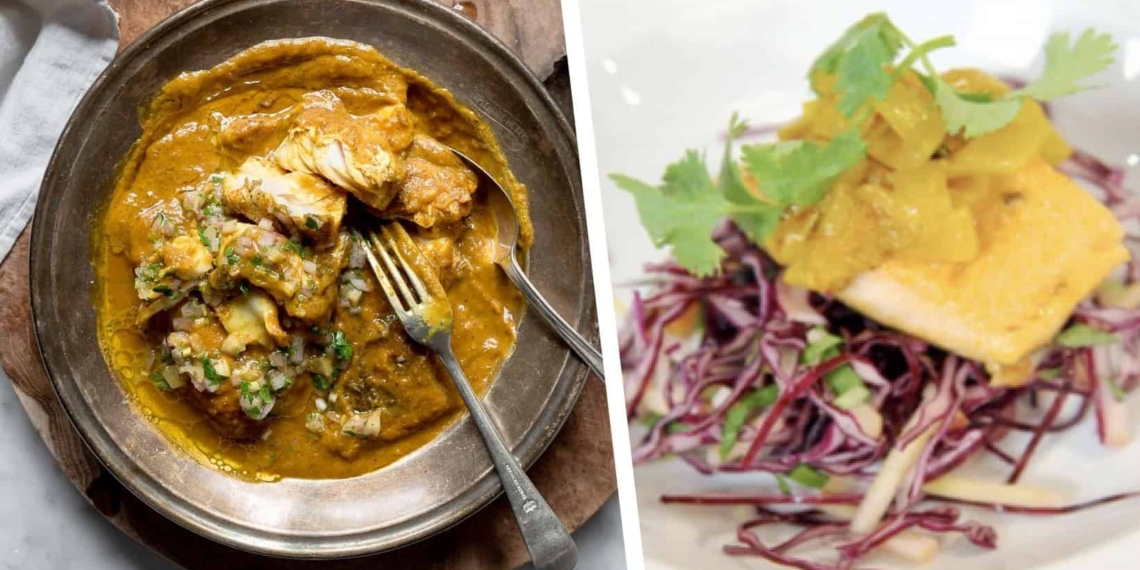
And of course, we did not forget the beloved pickled fish. We put Johannesburg food stylist and cookbook author Dianne Bibby’s traditional take on the dish up against a very boujee pickled fish by sommelier Heinrich Bothman.
Both are winners, frankly, and call for a little experimentation in the kitchen!
EASTER READ: A sommelier and a food stylist take us down memory lane
Dianne Bibby’s hot cross buns with honey butter
Nothing screams winter like the scent of cinnamon and nutmeg from freshly baked hot cross buns. Bibby has just the warm and cozy recipe for you.
INGREDIENTS
Buns

550g cake wheat flour (all-purpose)
70g (1/3 cup) castor sugar
2.5ml (1/2 teaspoon) salt
12.5ml (2 1/2 teaspoons) ground cinnamon
5ml (1 teaspoon) mixed spice
1.25ml (1/4 teaspoon) nutmeg
7g (2 teaspoons) instant yeast
310ml (1 1/4 cups) full cream milk
1 egg (xl)
75g (1/2 stick plus 1 tablespoon) salted butter, softened
Zest of 1 orange and 1 lemon
125g (3/4 cup) dried fruit (raisins and sultanas)
50g (1/4 cup) candied orange peel
Piped crosses
75g cake wheat flour combined with 75ml (about 1/3 cup) cold water
Glaze
30ml (2 tablespoons) butter
30ml (2 tablespoons) honey
METHOD:
- Sift all the dry ingredients into the bowl of an electric mixer fitted with the dough hook attachment.
- In a small jug, whisk together the milk and egg. Add the milk mixture and butter to the flour and mix to combine. Knead for 6-8 minutes until the dough is smooth and elastic. Add the citrus zest, dried fruit and peel. Mix on a low speed until the fruit is evenly incorporated.
- Transfer the dough to an oiled bowl, cover and set aside to proof until doubled in size, about 1 1/2 hours.
- Turn the dough out onto a floured board. Divide into 15 equal portions. Roll into smooth-domed rounds. Arrange in a lined baking tin allowing a little space for spreading. Cover loosely with a clean tea towel and set aside to proof until doubled in size, about 40-50 minutes.
- Preheat the oven to 200ºC.
- For the crosses, transfer the paste into a piping bag fitted with a fine tip nozzle. Pipe crosses over the buns. Bake for about 25 minutes until golden and cooked through.
- Heat the butter and honey together until melted. Brush the honey butter over the hot buns. Rest the hot cross buns in the tin for about 10 minutes before removing to a wire rack to cool.
EASTER READ: Easter lockdown: Here’s what we will be missing
Heinrich’s childhood Mosbolle
Now is the perfect time to revisit childhood memories with the grape harvest set to conclude around Easter, says Bothman.

INGREDIENTS
2,5kg flour
6 eggs
250g butter
2 cups milk
4 cups must (soetmos/partially fermented grape juice)
4 cups sugar
35g aniseed
Sweet sugar water (three tablespoons with a half cup water)
Pinch of salt
METHOD:
- Mix flour and aniseed in a mixing bowl.
- Blend sugar, melted butter and milk.
- Beat eggs separately.
- Now mix flour and aniseed with the beaten eggs and then add milk, sugar and butter mixture.
- Add must, knead well.
- Cover mixing bowl well with a blanket or thick towel and leave to rise overnight.
- The next morning knead down, form small balls and place against each other in loaf pan.
- Allow to rise again and place in oven at 180ºC until golden brown and cooked, about one hour.
- Remove from pan and dab the top with a paint brush dipped in sugar water.
Pro Tip: It is very important to obtain must at the correct Balling (a measure of sugar content) or the buns will be either too sweet or not sweet enough.
EASTER READ: Easter cheer with SA farmers and their families
Traditional Pickled Fish by Dianne Bibby
Make the traditional pickled fish recipe which was guided by Bibby’s mother as well as South African culinary legend Magdalene Van Wyk.

Serves 6-8
1 kg firm white fish (kingklip or hake), whole or cut into portions
30ml (2 tablespoons) olive oil
2 brown onions, finely diced
1 garlic clove, minced
Thumb-sized piece fresh ginger, grated
2.5ml (1/2 teaspoon) fennel seeds, crushed
5ml (1 teaspoon) whole coriander seeds, crushed
5ml (1 teaspoon) garam masala
10ml (2 teaspoons) ground turmeric
15ml (1 tablespoon) curry powder
5ml (1 teaspoon) salt
45ml (3 tablespoons) sugar
3 bay leaves
375ml (1 1/2 cups) white wine vinegar
300ml water
METHOD:
- Heat the olive oil in a large saucepan and sauté the onions for about 10 minutes until soft and translucent.
- Add the garlic and ginger and cook for a further 2 minutes.
- Now add all the aromatics (spices) and cook for a further 3 minutes.
- Add the salt, sugar, bay leaves, vinegar and water. Simmer for 20 minutes.
- Place the fish carefully in the pan and spoon the sauce over the fillet. Cover and simmer for 20 minutes until cooked through.
- Lift the fish carefully from the pan with a fish slice and place in a non-metallic dish.
- Transfer the sauce to a processor and blitz until smooth. Pour the sauce over the fish and cover with cling film.
- Chill for 2-3 days.
- Serve the pickled fish at room temperature with red onion pickle if you wish and crusty baguettes alongside.
EASTER READ: Easter recipe: Chef Zanele’s pickled fish
Bountiful boujee pickled fish
If pickled fish went to private school, it would be like this dish from from Heinrich’s kitchen.

INGREDIENTS
For pickling:
1/3 cup vegetable oil
4 large onions, halved and thickly sliced
3 tbsp mild curry powder
1 tsp turmeric
1 tsp paprika
1 tsp ground coriander
1 tbsp whole all-spice
½ cup brown sugar
1 tbsp peeled, finely chopped ginger
1 tbsp finely chopped chili with seeds removed
3 dried bay leaves, thinly sliced
2 tsp seas salt
2 cups white vinegar
2kg hake/snoek charred for a South African twist
3 fresh bay or lemon leaves
For serving:
½ cup golden raisins
½ cup coarse salt
1 small head cabbage, thinly sliced
2 red apples, julienned
2 ribs celery, finely chopped and trimmed
2 tbsp fresh flat leaf parsley
2 tbsp chopped fresh coriander
Fresh coriander leaves to garnish
Riesling
For frying fish:
¾ cup all-purpose flour
½ cup vegetable oil
METHOD:
Pickle the fish:
- Heat oil in a large skillet over medium heat.
- Add onions, sauté for 20 minutes until translucent.
- Add curry powder, turmeric, paprika, and coriander, cook until fragrant for 1 minute.
- Add all-spice, brown sugar, ginger, chilli, dried bay leaf, and salt, cook for 2 mins.
- Carefully add vinegar and 1 cup water, increase to high heat and boil, cook for 10 mins.
- Remove from heat and pour pickling mixture into 12-inch glass dish.
- Add an even layer of fish and pour over a little more of the pickling mixture.
- Add another layer of fish, repeat process until all the fish and pickling mixture have been used.
- Top with bay or lemon leaves; loosely cover and let cool completely.
- Cover tightly and transfer dish to refrigerator for 2 days.
For fish:
- Remove fish from pickling, reserving onion, pat dry.
- Place flour in a shallow dish, set aside.
- Heat oil in a large skillet over medium heat.
- Dredge fish in flour shaking off excess residue.
- Add fish to skillet turning until golden brown and cooked through (4 mins per side).
- Transfer fish into a paper towel-lined plate to cool.
Pro Tip: This step could be skipped fully if charred and well-cooked.
To Serve:
- Place raisins in a small bowl and add enough Riesling to cover, set aside.
- Fill a large bowl with 4 cups water, add salt and stir to combine.
- Add apples, cabbage, and celery, let stand for 20 mins.
- Drain raisins and cabbage mixture and add both to a large bowl along with parsley, mint, and coriander, toss to combine.
- Serve fish topped with reserved pickled onion and cabbage mixture. Garnish with coriander leaves.


