Biosecurity has emerged as one of the defining issues for South African agriculture in 2026, with renewed foot-and-mouth disease (FMD) concerns severe enough to keep hoofed animals away from this year’s Nampo exhibition grounds.
Industry leaders warn that the stakes extend far beyond livestock health, affecting grain demand, exports, farmer viability and food security.
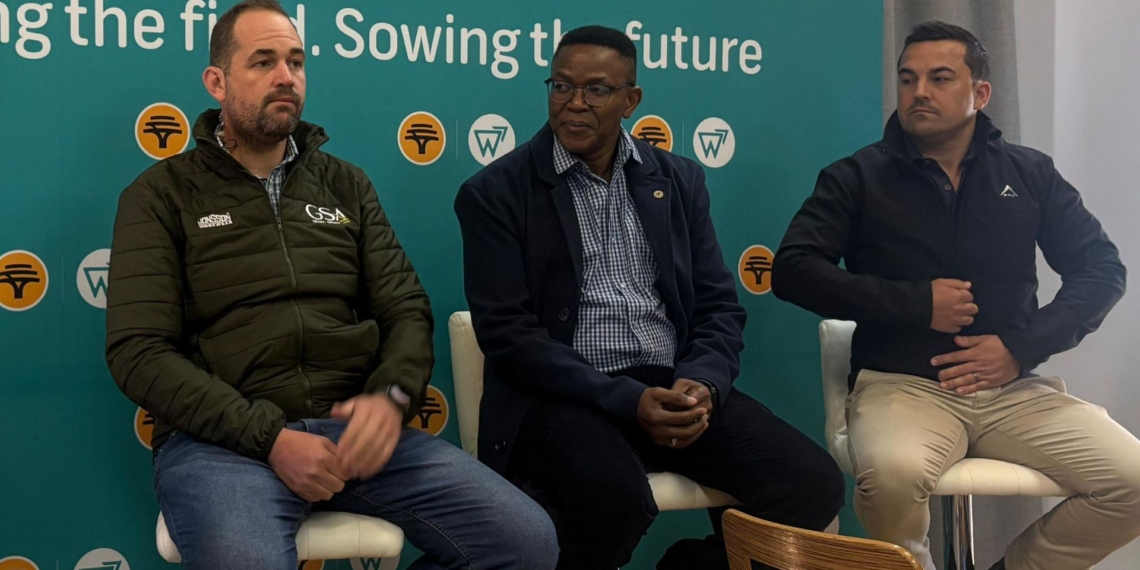
Dr Dirk Strydom, marketing, Nampo and research coordination lead at Grain SA, said biosecurity is as critical for grain farmers as it is for livestock producers.
Connection between livestock and grain industries
He explained that grain prices remain under pressure due to oversupply and international market influences, while improvements in production efficiency have reduced the demand growth traditionally expected from population increases.
According to Strydom, stronger livestock exports are essential to stimulating domestic grain demand.
“If South Africa can export more animal products, it creates stronger demand for grains and oilseeds throughout the value chain,” he said.
Related stories
- Biosecurity is now a make-or-break for pork producers
- No market access, no future: The heavy cost of FMD
- Livestock health: Why biosecurity starts at the farm gate
- Limpopo farmers’ day: Collaboration, compliance take centre stage
He stressed that effective biosecurity measures are central to unlocking export opportunities, noting that livestock and grain industries are deeply interconnected.
“Grain becomes meat, eggs and milk. Without a functioning livestock sector, the grain value chain also suffers,” Strydom said.
Beyond animal diseases, Strydom highlighted growing concerns around plant diseases capable of devastating crops and threatening food security.
He pointed to collaborative work between the government and the private sector through the biosecurity hub, which focuses on surveillance, early warning systems and disease management protocols.
“Biosecurity requires proactive monitoring. If diseases are detected early, they can often be contained before causing widespread damage.”
Farmers urged to report disease threats
Strydom acknowledged that some producers are hesitant to report outbreaks due to fears around quarantine restrictions and economic losses. However, clear disease protocols are essential, including guidance on quarantine measures, containment and import regulations.
The grain industry is developing detailed protocols covering disease detection, exclusion and containment.
He also cautioned against growing limitations on agricultural chemicals, arguing that reducing available crop protection tools could unintentionally increase resistance risks.
Using barley breeding as an example, Strydom noted that developing new cultivars can take up to eight years, yet pest resistance may emerge within four to five years.
“When management options become too limited, resistance builds faster, and biosecurity risks increase,” he said.
Vaccine progress brings hope, but challenges remain
Dr Phillip Oosthuizen, chief operating officer at Red Meat Industry Services (RMIS), said progress has been made in addressing FMD vaccine shortages, with significant volumes now available in the country.
He said recent vaccine imports had improved supply momentum, although challenges remain in securing the correct vaccines and strengthening rollout systems.
Vaccination efforts have expanded across industries, but Oosthuizen said implementation still needs refinement, including tracking vaccinated animals, managing booster programmes and improving rollout strategies.
He stressed that vaccines alone are not enough. “Vaccination, immune control and biosecurity must work together. No single intervention will solve the problem.”
Oosthuizen warned that disease threats are unlikely to disappear. “This will not be the last disease challenge the industry faces. The systems and networks built now must strengthen preparedness for future outbreaks and support both domestic and export markets.”
Financial support key across value chain
Paul Makube, senior agricultural economist at FNB Commercial, said managing biosecurity risks requires a resilient system supported by both the private sector and government.
Farmers, he noted, cannot tackle these challenges alone. Makube highlighted the vulnerability of small-scale producers within the integrated livestock value chain, explaining that many lack the financial capacity to absorb prolonged disruptions caused by disease outbreaks, transport restrictions and rising operating costs.
“Smaller farmers remain essential to the livestock value chain, but many do not have the balance sheets to withstand prolonged shocks,” he said.
He called for greater collaboration with financial institutions to provide bridging finance and cashflow support during periods of disruption.
Makube added that rising transport and fuel costs compound the pressure on farmers already dealing with movement restrictions and disease-related disruptions.
“Biosecurity cannot be treated as a standalone issue. It needs to become an integral part of operational and financial decision-making across agriculture,” he said.
READ NEXT: Tomato price debate: Joburg Market, RSA Group weigh in