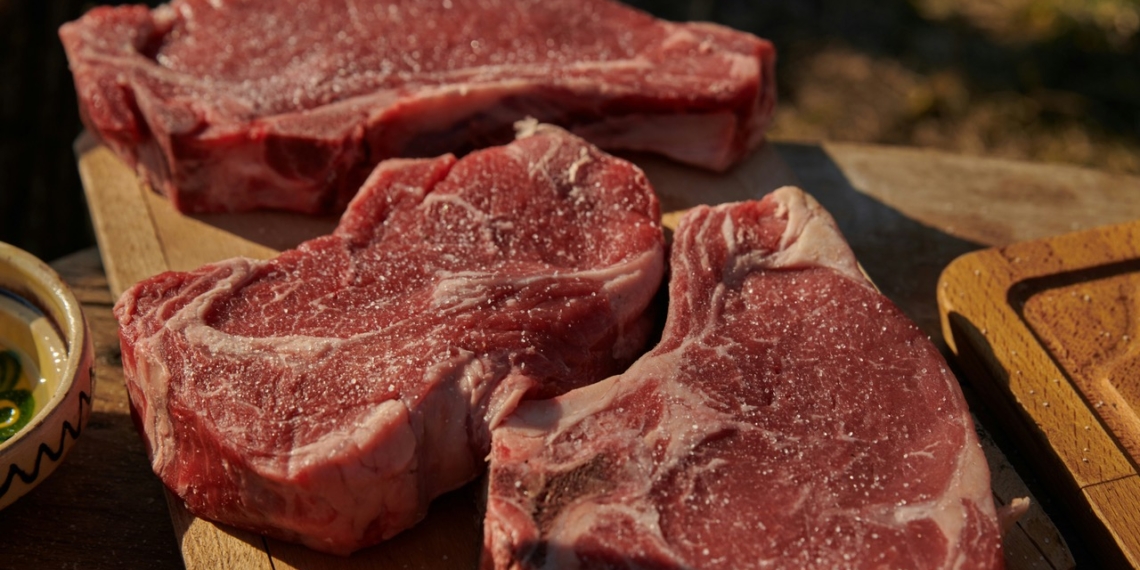
When Naledi Mokoena planned a simple braai, she didn’t expect to rethink what she knew about meat. What she discovered shows that tenderness, flavour and cooking method matter more than price when choosing a cut.
Naledi Mokoena is used to making high-stakes decisions. As an executive at an insurance company in Pretoria, she spends her days analysing risk, weighing options, and helping clients plan for the future.
So, when she volunteered to host a Saturday braai for friends, she assumed choosing the meat would be the easiest part of the day. The salads were sorted, the playlist ready, and the charcoal waiting.
Then she found herself standing in front of a supermarket meat counter, confronted by a wall of choice: fillet, rump, sirloin, chuck, brisket. Some cuts were clearly more expensive than others. And suddenly, she wasn’t so sure what “premium” meant.
“There were so many cuts. Fillet, rump, chuck, brisket, sirloin… I realised I had no idea why some cuts were expensive, and others weren’t,” she says.
Like many South Africans, Mokoena grew up believing fillet was the “best” cut simply because it is tender. But a few conversations with her butcher – and some experiments in her own kitchen – changed that assumption completely.
What she discovered is a simple but surprising truth: tenderness and flavour are not the same thing.
The muscle behind the meat
The difference starts with movement.
“I learned that the parts of the animal that move less are naturally more tender,” Mokoena explains. “The harder-working muscles are tougher, but they often have more flavour.”
Cuts from the hindquarter (the back of the animal) tend to be more tender because those muscles do less work. These include fillet, sirloin and rump.
By contrast, cuts from the front quarter, such as chuck, brisket and shin, are heavily used during the animal’s life. That constant movement builds more connective tissue, making the meat firmer and richer in flavour.
In simple terms, tenderness comes from rest, flavour comes from work.
Related stories
- The Tshabalalas can still enjoy their family’s favourite red meat
- Meat is safe to eat despite FMD outbreak, assure experts
- Red meat in SA: Culture, heritage, and celebration
Tenderness versus flavour
Mokoena saw the difference clearly in her own kitchen.
“I cooked a fillet steak one night and a slow-cooked beef stew with chuck the next,” she says. “The fillet was super soft, but the stew had so much more flavour.”
That experience reflects a common trade-off in red meat:
- Tender cuts cook quickly and are soft from the start.
- Flavourful cuts need time and slow heat, but reward patience with depth and richness.
- Neither is better. They simply serve different purposes.
Why grades aren’t about quality
Mokoena also used to avoid anything below A-grade meat, assuming it meant lower quality. She later learned that grading mostly reflects the age of the animal, not the quality of the meat.
“I used to think anything that wasn’t A-grade was a problem,” she laughs. “Now I know that’s not true at all.”
A-grade meat comes from younger animals and is generally more tender. B-grade offers a balance of tenderness and flavour. C-grade comes from older animals and is often tougher, but can be incredibly flavourful when cooked correctly.
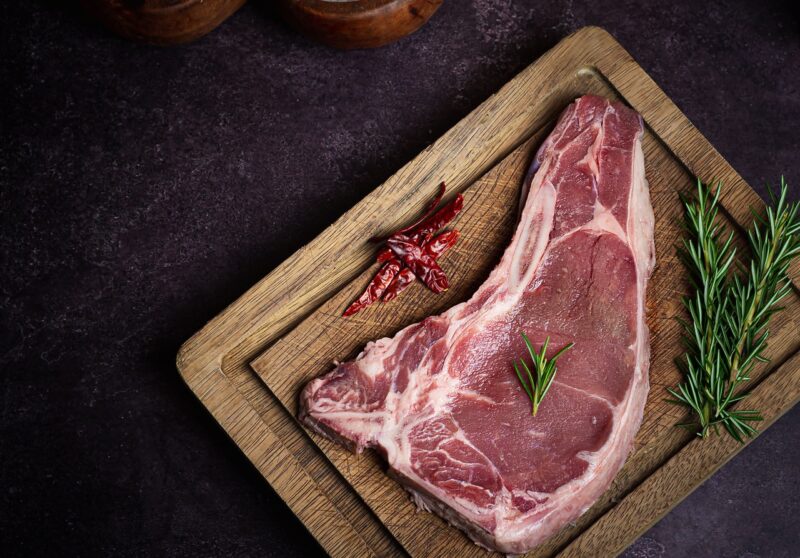
Cooking is the real deciding factor
One of Mokoena’s biggest mindset shifts was realising that the cut alone does not determine success in the kitchen.
“I used to think tough meat was a failure,” she says. “Now I know some cuts just need more time.”
That changes everything about how meat should be chosen:
- Fillet, sirloin and rump are best for quick, high-heat cooking like braaiing or pan-frying.
- Chuck and blade shine in stews and curries.
- Brisket needs slow roasting or smoking.
- Shin and oxtail become tender only after long, slow cooking.
- Time, not price, is what transforms tougher cuts into something exceptional.
Fat, flavour and the “middle meats”
According to beef specialist Katie Flannery, COO at Flannery Beef, the idea of a single “best cut” is misleading.
“It’s kind of a trick question,” she says. “The most important thing is how you’re cooking it, followed by personal preference.”
She explains that the most popular steaks come from the “middle meats” – the rib, loin and rump area.
“Ribeye, New York strip loin, and filet mignon can all be considered the best, depending on what you value,” Flannery says.
But each tells a different story: “Filet is the most tender cut, but has the least amount of flavour. Ribeye is the most flavourful, but the least tender. And New York is in the middle.”
What consumers often miss is that fat drives flavour, while muscle use drives texture. Cuts with more fat tend to taste richer, while less-used muscles tend to be softer.
Why is there no single “best cut”
“The best steak for a grill is totally different from the best steak to braise,” Flannery says. “It’s about matching the cut to the cooking method.”
That idea stayed with Mokoena. Instead of asking what the best meat is, she now asks what she is actually cooking.
That simple shift turned confusion into confidence.
A final lesson from the industry
As Freddy Hirsch, a leading supplier of spices, sausage casings and meat processing equipment, puts it:
“Understanding how structure, fat and connective tissue work together is what helps consumers unlock the full value of meat,” the company explains. “Once you match the cut to the right cooking method, you stop wasting good meat—and you start cooking with confidence.”
For Mokoena, that is the real takeaway. Because the best cut is not the most expensive one on the shelf. It is the one that fits your meal, your method and your patience.
This story is part of a special series in partnership with the Red Meat Producers’ Organisation (RPO) – a tribute to the farmers feeding our nation, one meal at a time.

READ NEXT: What we’re missing in regenerative farming: A new way to learn