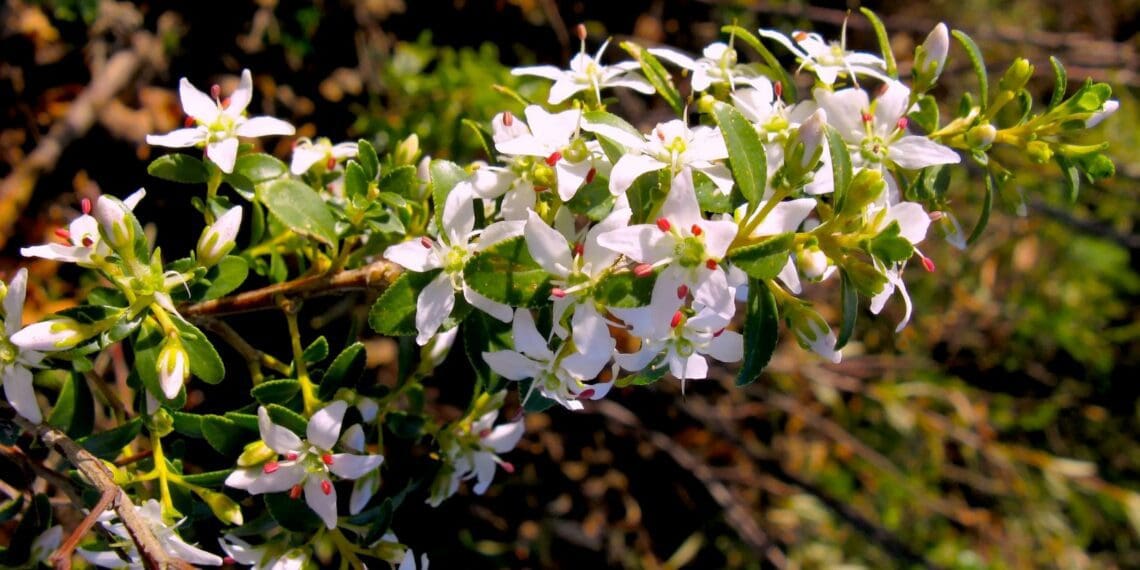
In Mzansi the ancient buchu plant is used for almost anything. From urinary tract infections to hypertension, you name it. But this indigenous plant, native to South Africa is more than just medicine.
In a Health For Mzansi article, Babalwa Mpambani, an agronomist unpacks the plant in detail, pointing to two significant species: agathosma betulina (round leaf buchu) and agathosma crenulata (long leaf buchu).
Cultivating the buchu plant
Mpambani shares how buchu is cultivated. With the plant being a perennial species, it exhibits a degree of sensitivity and requires specific care during the harvesting process to ensure successful regeneration.
“It prefers acidic soil, with a pH range of 3 to 5.3 being found to be prevalent in the natural environment,” Mpambani explains.
According to Mpambani, the buchu plant is occasionally found or cultivated in some areas of KwaZulu-Natal and the Eastern Cape. However, it is predominantly known to thrive in the Western Cape.
Buchu shows robust growth in regions with a Mediterranean climate, characterised by arid summers and precipitation during the winter season spanning from May to September.
It typically requires moderate winter temperatures and elevated altitudes in order to flourish optimally.
The article also explores the Buchu plant’s many health advantages, origins, many uses, and possible side effects.
More than medicine
Shihaam Domingo, who identifies as a food witch, founded The Domingo Effect Roots Food from Retreat in Cape Town. She believes that the buchu plant has great potential for use in cooking.
In the article, she shares how the buchu has consistently been a key ingredient in enhancing the flavour of many dishes.
“Tea emerges as the preferred choice and the utilisation is widespread due to its possession of medicinal properties.”
“To prepare the tea, pour a cup of boiling water over one or two teaspoons of either dried or fresh leaves. Allow it to sit for 5-10 minutes, then strain it before drinking.”
Click here to read the full article on www.healthformzansi.co.za
This article was first published in Health For Mzansi and written by Vateka Halile
Sign up for Farmer’s Inside Track: Join our exclusive platform for new entrants into farming and agri-business, with newsletters and podcasts.