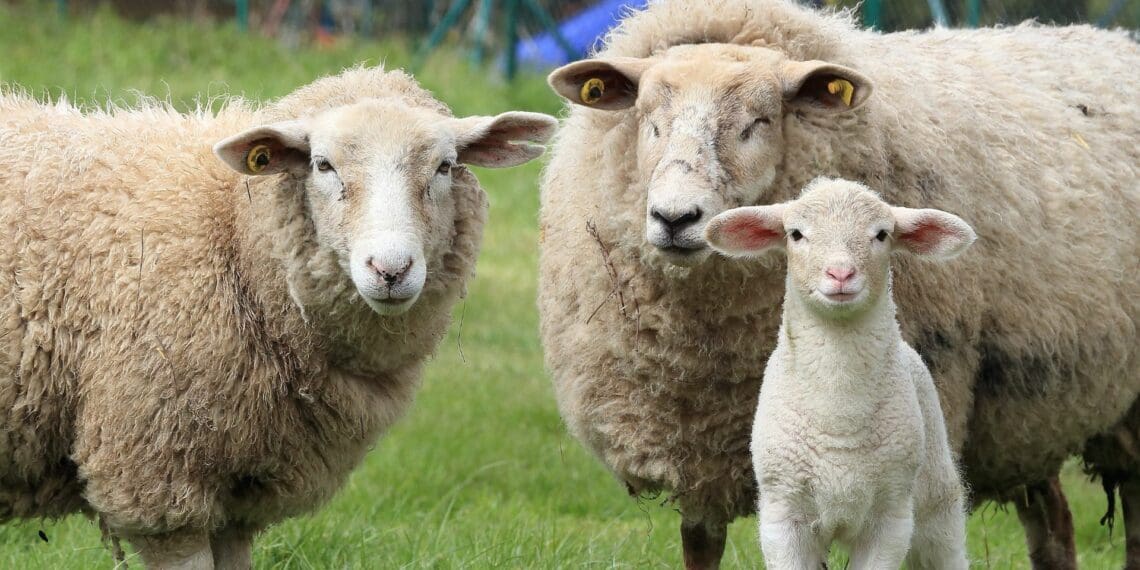
The Eastern Cape MEC of agriculture, Nonceba Kontsiwe, handed over 300 sheep consisting of rams and ewes to wool growers associations in the OR Tambo District. The initiative is part of the government to empower farmers in the cotton and wool industry as well as to improve the economy of the region.
The handover included ongoing support for farmers affected by recent veld fires, such as Masibhozo Yilo of Zilandana village in Qumbu, who tragically lost nearly 100 sheep in a fire.
Yilo received six Dohne Merino rams to rebuild and improve the genetic quality of his flock, a boost following earlier support including animal feed delivered by Kontsiwe and sheep donated by businessman Ace Ncobo.
Relieving the burden on farmers
Kontsiwe said the Eastern Cape produces approximately 11.3 million kilograms of wool annually, with 5 million kilograms coming from black communal farmers and it was important for the government to actively assist farmers where it can.
Related stories
- Tech-based ear tags target livestock theft in Eastern Cape
- Conservation agriculture plans enhance soil quality in E. Cape
“This initiative is part of the department’s ongoing efforts to boost wool production and improve livestock genetics within the province, addressing challenges faced by farmers such as poor-quality genetic material and low growth rates that hinder their access to formal markets.
“The reason why we are bringing this programme to our farmers is to improve the genetic quality of our sheep which in turn improves the quality of the wool clip to meet international standards,” she said.
The MEC called on the farmers to work together with the department and importantly to take care of the livestock that was given to them. She emphasised that public-private partnerships are the only way to address challenges farmers in the wool industry face.
“This kind of intervention fosters economic growth, strengthens agricultural sustainability, and shows a commitment to supporting communities recovering from loss or hardship. It’s great to see these efforts being made to improve both the quality of life and economic prospects for rural farmers,” she said.
Boosting the wool industry
Yilo expressed his joy after receiving the rams from the department as he will be able to slowly get back to business and continue with his farming operations. “After the fire, I was devastated, I felt like I had lost everything, and I even wanted to die. But receiving these rams has given me hope again.
“Government officials were here immediately after the incident. I’m so grateful for their help. I’m even planning a thanksgiving ceremony to express my gratitude to God for this blessing,” he said.
According to the department, in the 2024/25 financial year, they procured 1 191 sheep inclusive of Dorper, Merino, and Dohne Merino breeds at a cost of R5.2 million, with OR Tambo District receiving 389 rams and 270 ewes.
Another beneficiary, Nokhanya Ntshobothi from Mbinja Village in Tsolo, said she was overjoyed for the sheep she’s received. A widow who survives by selling sheep and wool, Ntshobothi said the investment by the department into her farming enterprise would significantly improve the genetic quality of her flock.
READ NEXT: Belfast smallholder farmers battle 33 years of climate shifts
Sign up for Mzansi Today: Your daily take on the news and happenings from the agriculture value chain.