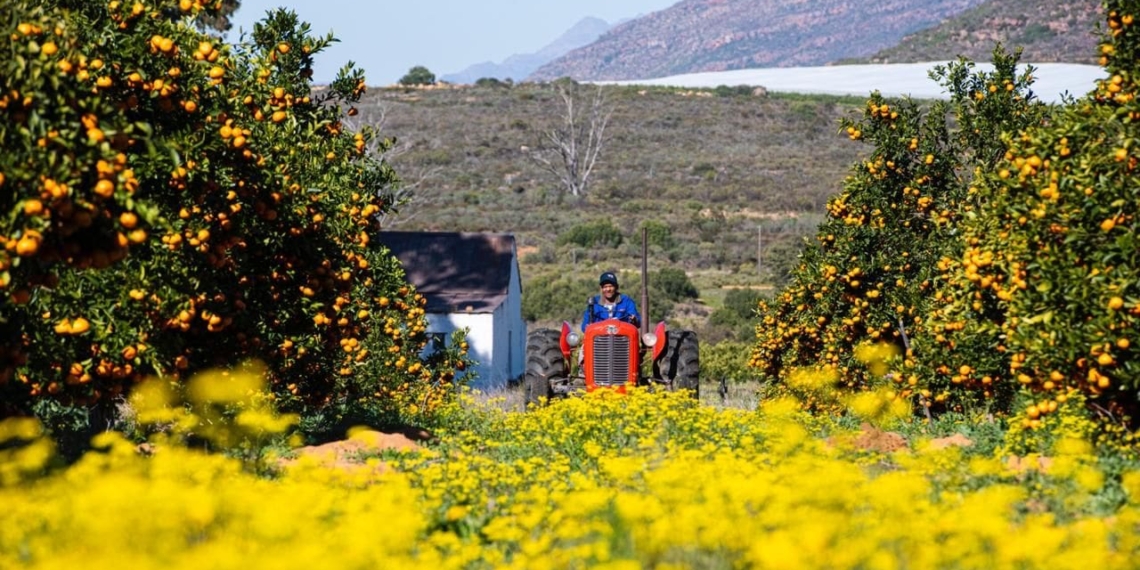
Winter is synonymous with citrus. There’s nothing better than a sweet, vitamin C-packed fruit as a snack during the day. And we’re not alone in thinking this fruit is amazing – South Africa’s citrus industry is expected to break all export season records this year.
According to Mitchell Brooke, logistics development manager at the Citrus Growers Association, the citrus industry is heading for a 25% growth curve from now until between 2025 and 2030.
Uzair Essack, managing director of fresh produce supplier and distributor Riyp, says that South Africa is the second-largest exporter of fresh citrus after Spain. As our top agricultural export depending on the year, according to Essack, citrus plays a major role in Mzansi’s agriculture sector.

The citrus industry is also a transformative sector, according to the latest edition of the South African Fruit Journal. The Citrus Growers’ Association Grower Development Company was developed as a special-purpose vehicle dedicated to address the many challenges faced by black citrus growers. Its primary objective is to make a significant impact on transformation within the citrus industry, while focusing on the development of black citrus growers.
ALSO READ: SA’s agricultural exports celebrate all-time high
It looks like it might be a good time to start a citrus farm! And what better time to start dreaming about growing naartjies and oranges than during harvesting season?
Citrus fruits in Mzansi
When it comes to citrus in Mzansi, we could be talking about any of these four fruits: oranges, grapefruit, lemons or soft citrus (naartjies and mandarins).
Jacques Burger and his father have been farming with rooibos and citrus on Elandsfontein farm in Citrusdal since 2016. They produce soft citrus (naartjies) and oranges. Among their cultivars are Navels, Midnights (oranges with no pips) and Valencias (good for juicing).

Burger says that citrus is planted and farmed all over South Afric in Limpopo, the Eastern Cape, Western Cape, Mpumalanga, KwaZulu-Natal, the Northern Cape and North West.
The Eastern Cape grows the majority of naartjies, with approximately one third of our entire soft citrus crop grown in this province.
Local and export markets
According to Burger, soft citrus is more profitable than the Navels, Midnight and Valencia oranges. However, soft citrus input costs are more when it comes to tree prices.
“Certain cultivars we plant have royalties involved,” says Burger.
He reminisces about a time “a few years back” when farmers could get more than double for soft citrus than what they do now.
From 2000 to 2009, soft citrus was the most expensive citrus fruit grown in South Africa. This is because South Africa is the only producer of the naartjie and demand for it remained very stable for many years.

“This has changed a bit lately because everyone has been planting soft citrus,” explains Burger. The market gets saturated, it becomes difficult to sell the fruit and prices drop.
“There is way more soft citrus on our market than there was previously,” confirms Essack. “That has effected the prices in coming down.”
Burger says the challenge with naartjie farming now, is farming for quality. Many farmers are now in the soft citrus game, meaning consumers have more options and will pick only the highest quality crops. A very selective market also shows a newfound focus on firmness. Fruit is being rejected for export because they are too soft.
But when asked about oranges, Burger’s reply is that markets are generally stable.
ALSO READ: 5 tips to export fresh produce to global markets
Farming with citrus
According to Burger, if you know your story then it is not too difficult to farm with citrus.
Citrus crops like to be planted in full sun and well-drained soil, says Burger. The roots of citrus crops need more oxygen than other fruit trees.

“Good soil types for citrus will be a good-combination sandstone soil,” he says. “They do not like clay soil because roots cannot easily breathe in there.”
Because water is scarce in general, Burger made plans to save water on the farm. By using drip irrigation to provide nutrition and water, and sealing the dams on the farm, they practically eliminate the water losses usually caused by evaporation.
Another issue can be fertiliser and labour costs.
“Fertiliser and wages are expensive on citrus,” Burger says. “But if you manage it well then you will farm well.”
What makes things difficult in terms of labour is that there is a small picking window for the fruit and then a lot of people are needed at once to pick the harvest.
Harvesting the fruits of your labour
Every farm has their own unique timeline to their fruit. The harvesting timeline on Burger’s farm looks like this:
- Early soft citrus (ClemenLuz naartjie variant): Early April and May.
- Navels: Late April to July.
- Late soft citrus (Tango naartjie variant): August.
- Midnights: September.
- Valencias: October.
Before harvesting starts, you need to sample your fruit for readiness.

“Pre-harvest fruit samples need to be taken,” says Burger. “This will determine when we start to harvest.”
Orange harvesting is done by hand and the workers harvesting citrus must be trained to do so otherwise the citrus may be injured in the picking process.
“This is a very delicate process because the oranges can’t get damaged or bumped,” says Burger. “If an orange falls, it is not allowed to be picked up again.”
The pickers have scissors and their gloves, and a tractor with six crates is stationed between the Elandsfontein citrus trees during harvest time. At each bin, two “sorters” work hard to select and remove all the defective and infected fruit. These are placed in the crate for juicing.
“Sorters make sure that the oranges do not have stems that the pickers may have missed, and they also check that the pickers do not cut the oranges, resulting in picking injuries,” says Burger.
Citrus that fell from the tree or during the picking process should be picked up and driven out of the orchards to reduce the pests that breed in these oranges when lying on the ground.

“This is a way to reduce pesticides in the trees, and also a very crucial and important factor when it comes to farming and exporting oranges as well,” says Burger.
Another factor to consider is that oranges cannot be picked if the tree is wet, otherwise the oranges will bruise. When all the bins are filled up after a day of harvesting, the citrus gets taken to a packing facility. The same harvesting process is used for naartjies.
After harvest, the trees must be pruned.
Want to see what it looks like on an actual citrus farm? Take a look at this video by Don-Limón taken on Burger’s farm:
ALSO READ: Mzansi set on leading citrus exports to Philippines
Sign up for Farmer’s Inside Track: Join our exclusive platform for new entrants into farming and agri-business, with newsletters and podcasts.