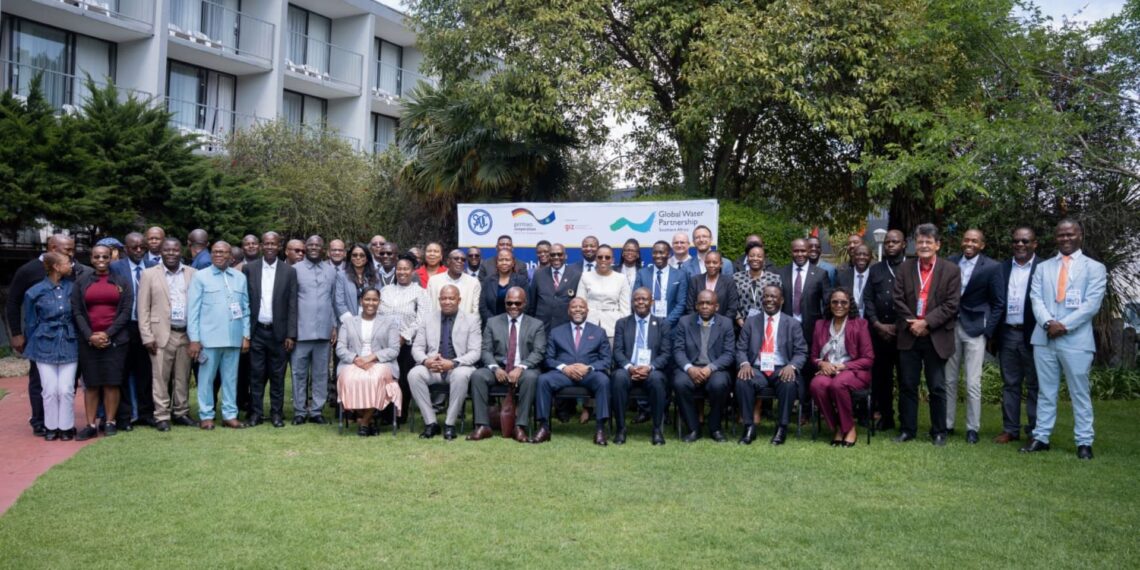
The meal served to delegates at the 11th SADC Multi-Stakeholder Water Dialogue was simple, yet symbolic: maize, grilled beef, and fresh vegetables. Every item on the plate represented a battleground in Southern Africa’s escalating war over its most precious and dwindling resource: water.
Outside the conference walls, in the parched farmlands of South Africa, the struggling maize fields of Zimbabwe, and the vast cattle ranches of Botswana, a stark reality is unfolding. The region is staring down the barrel of a future where its ability to feed itself is no longer guaranteed, and the culprit is not just a lack of rain, but a crisis of infrastructure, governance, and imagination.
For decades, the story of Southern Africa’s food system has been one of immense potential shackled by predictable obstacles. The region is blessed with abundant agricultural land and extensive river basins. Yet, as speaker after speaker at the Maseru summit made clear, this natural endowment is being systematically undermined.
Climate change is rewriting the rules, with erratic rainfall and prolonged droughts becoming the new norm. In South Africa, a staggering 56% of water treatment plants are in poor or critical condition, according to the country’s department of water and sanitation 2023 Blue Drop Report, leaking precious resources back into the earth.
State of water in SADC
The result is a landscape of perilous trade-offs. The 11th SADC Multi-Stakeholder Water Dialogue Background Paper soberly notes that “hydropower generation competes with irrigation needs in the Zambezi, Shire, and Rufiji basins”. This isn’t academic jargon. It means that keeping the lights on in a city might mean a farmer’s crop withers in the field. Expanding maize production for ethanol to fuel cars can compete directly with growing the same crop to feed people.
This tension is most acute along the region’s ambitious economic corridors – vast networks of roads, rail, and ports designed to be the arteries of a modern, industrialised Africa. The North-South Corridor, a strategic spine running from Durban through to the DRC, is projected to unlock over USD $16.1 billion in GDP and create 1.6 million jobs by 2026, according to the SADC Council of Ministers. But this vision of prosperity runs on water. The corridor’s mines, smelters, and agro-processing hubs are intensely water-hungry, placing enormous strain on already stressed river systems.
Related stories
- Pipes and people: Water investment needs skills to flow
- Water security becomes a business imperative for farmers
- These water-saving solutions can help farmers stay afloat
- Grain farmers break records at prestigious Grow for Gold Awards
From silos to lifelines: A new vision for food corridors
Faced with these daunting challenges, a powerful new vision is emerging from the dialogue in Maseru, one that seeks to reimagine these corridors not just as transport routes, but as integrated “lifelines of resilience, food security, and climate-smart growth”.
The key, experts argue, is to break down the institutional “silos” that have long plagued regional planning. Steve Collins of the SADC TFCA Network told delegates, “The divide between TFCAs [Transfrontier Conservation Areas] and RBOs [River Basin Organisations] is artificial ecosystems, water, energy, and food are inseparable”.
He challenged the summit to rethink the common “WEFE” (Water-Energy-Food-Ecosystems) acronym. “Ecosystems are the basis of your water production,” he explained. “If your water runs off the land because you have a bad ecosystem, you can’t plant anything. So to me, I see ecosystems as the basis on which we build these other things, I would like us to start talking about E-WEFE”.
This thinking is starting to translate into concrete action. The summit showcased a future where food production is no longer an afterthought of industrial planning. The Beira and Nacala Corridors are being positioned as “agri-export platforms” for soybeans, cereals, and cashew nuts. The Walvis Bay Corridor is being developed as a “meat and dairy cluster” with renewable-powered cold chain facilities to support Botswana and Namibia’s lucrative beef industries.
The plate of the future: Innovation, investment, and local voices
What will the food on a Southern African plate look like in this new era? If the innovators at the summit have their way, it will be produced with far less water and far more technology. Solutions discussed included “smart irrigation systems” that use AI to deliver precise amounts of water to crops and solar-powered cold storage to slash post-harvest losses.
This vision is underpinned by major transboundary projects. Mohlomi Moleko, Lesotho’s minister of natural resources, highlighted the Lesotho-Botswana Water Transfer scheme, which will build a dam to provide water across a 700-kilometre system.
“As a small country, we are really doing our part to ensure that there is regional integration, to ensure that the economies of the region benefit both from water and electricity.”
Mohlomi Moleko
Financing this transformation remains the biggest hurdle. The region attracts a mere 2% of global renewable energy investments, a figure that must rise dramatically. The SADC Water Fund is already backing critical projects like the Kazungula water supply system on the Zambia-Botswana border, a project empowering local communities to “engage in other productive activities like aquaculture and gardening, fostering income generation and improved livelihoods”.
The European Union and the German government, through GIZ, key sponsors of the dialogue, reaffirmed their commitment, with the EU highlighting that its “Global gateways can offer support to sustainable, inclusive, and climate-resilient investments”.
As the dialogue in Maseru drew to a close, the path forward, though steep, was clear. The future of food in Southern Africa will be won or lost in the management of its water. It demands a radical shift from fragmented competition to integrated cooperation. It demands that a farmer’s irrigation channel be valued as highly as a mine’s cooling tower. But as leaders work to secure regional supply, they carry a fundamental principle with them.
As ORASECOM’s Elita Banda reminded the delegates, ensuring local communities benefit first is paramount, because “the principle of water is that you drink first and then you hand over the cup”.
READ NEXT: How indigenous essential oils can drive jobs, food security