Shongotelo Mashengete grew up in Malamulele, Limpopo, always questioning how the living world worked. That drive pulled her into science, where she could investigate real problems and build practical solutions. She finally found her true purpose in agriculture.
Mashengete claimed her place in the sector at Tshwane University of Technology (TUT), demonstrating her commitment to the field by earning her first degree in 2019.
Growing up in Ka-Xitlhelani in Malamulele exposed Mashengete to both the challenges and opportunities within agriculture. She witnessed firsthand how the sector supports livelihoods, ensures food security, and sustains rural communities.
“These experiences shaped my appreciation for the sector and planted the seeds for my career path.”
Driving agricultural innovation
She went on to study agricultural science, obtaining a postgraduate diploma in crop sciences (cum laude) from TUT. She is now pursuing her master’s degree, conducting research in plant pathology at the Agricultural Research Council (ARC).
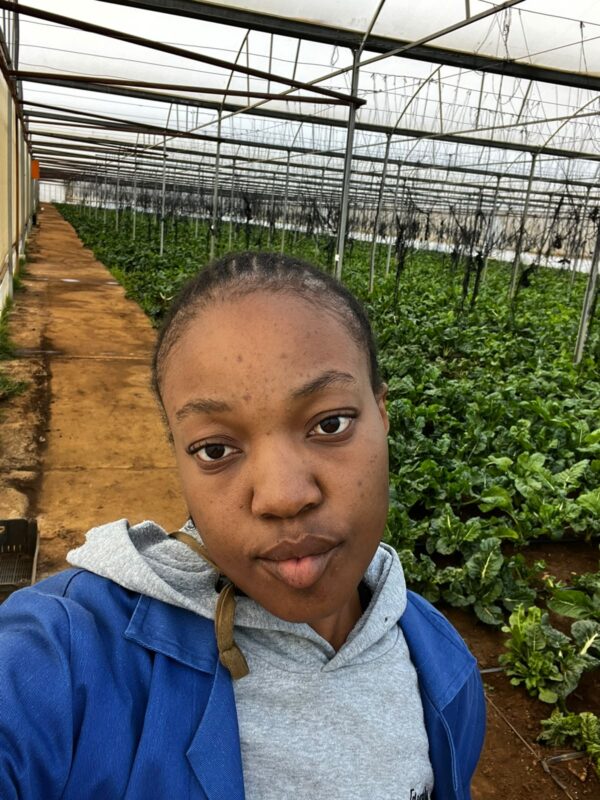
Her research focuses on plant disease diagnostics, molecular identification of pathogens, DNA marker technologies, post-harvest disease management, and the application of innovative technologies.
“Throughout my academic journey, I have gained experience in both laboratory and field-based research, including fungal isolation and culturing, DNA extraction, PCR analysis, sequencing, pathogen identification, and disease characterisation.”
Mashengete aims to integrate scientific research with practical solutions to improve productivity and sustainability across the sector. Beyond academics, she founded Rich Earth Agriculture, an initiative to address food insecurity and unemployment through agricultural development.
Related stories
- Schooled by the soil: Zondi’s passion for indigenous plant science
- Crop scientist Anele Danisa bridges gap between lab and land
- Wild at heart: Shane Ngwenya swapped fear of snakes for science
- Sibongile’s plant passion: Healing crops and feeding Mzansi
Lessons from the lab
“I am committed to lifelong learning, scientific excellence, and using research to create a meaningful impact in agriculture and rural communities,” she says.
Mashengete tells Food For Mzansi that university made her realise agriculture is far more complex and multidisciplinary than she initially thought.
“Before university, I mainly viewed agriculture as just the production of crops and livestock.”
Through her studies, she saw how the sector links to science, economics, technology, sustainability, policy, and rural development.
“I learned that successful production requires understanding plant health, soil management, climate factors, market dynamics, and the daily challenges farmers face.”
The university also highlighted the role of research and innovation in solving industry problems. She gained a deep appreciation for translating scientific discoveries into practical solutions that improve productivity, reduce losses, and strengthen food security.

Ultimately, she learned that agriculture does not just feed people; it creates livelihoods, supports economies, and uplifts communities.
Mashengete recently joined the ARC-VIMP root and tuber crops (RTB) division, where she will work for the duration of her master’s studies.
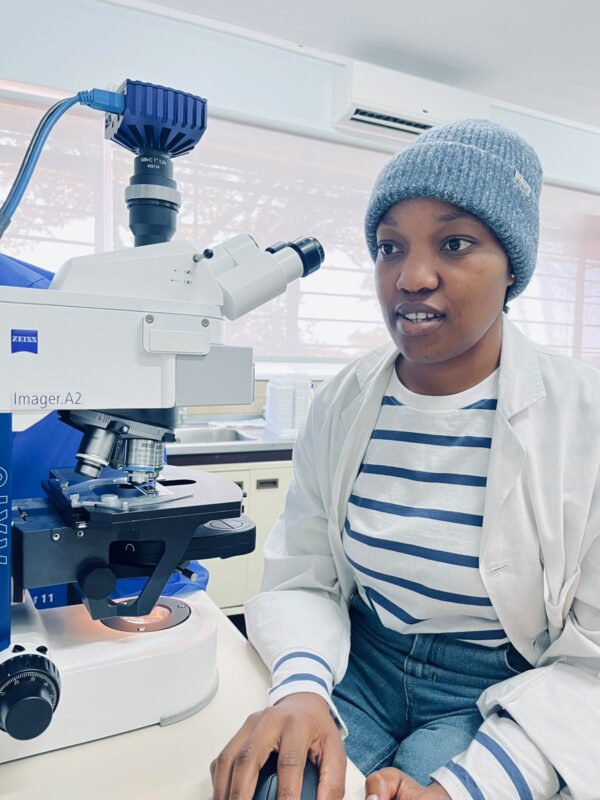
A typical day involves a combination of laboratory work, research, data analysis, and academic writing. Depending on the project stage, she isolates and cultures pathogens, conducts molecular analyses such as DNA extraction and PCR, examines disease symptoms, analyses sequencing results, reviews literature, and writes reports and proposals.
“No two days are exactly the same, which is what I enjoy most about research. Each day presents an opportunity to learn something new and contribute to the advancement of agricultural science.”
Saving harvests from disease
In her master’s studies, she focuses on crop protection. “It is like protecting plants from illnesses and threats so they can grow well and produce good yields,” she explains.
The work involves monitoring crops, identifying problems early, and applying management methods such as good farming practices, resistant crop varieties, biological control, and targeted pesticide use.
“Crop protection is important because it helps farmers reduce losses, improve quality and yield, and ensure food security.”
Without it, she notes, pests and diseases can severely damage harvests, hurting both farmer income and the food supply.
Looking ahead, Mashengete aims to become a specialist researcher in plant pathology, focusing on developing practical, science-based solutions that improve crop health and agricultural productivity.
“I want to advance my studies and deepen my expertise in plant disease diagnostics, molecular techniques, and integrated disease management.”
She is driven by the way the field blends science with real-world impact, adding that this combination of innovation, problem-solving, and purpose continues to motivate her.
“I am also excited by the evolving nature of the sector, particularly the use of modern technologies to detect and manage crop diseases more efficiently.”
READ NEXT: Hardship forged Sihle’s passion for animal health