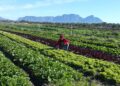
In a world where food security is a growing concern, EduPlant is making a real difference. By giving schools the tools and know-how to grow their own food, the organisation tackles immediate hunger issues while also teaching kids valuable skills and fostering a love for the environment.
Today, 450 schools located across South Africa have enrolled to participate in the 2024/25 cycle of EduPlant.
“EduPlant, the largest of its kind in South Africa, aims to establish sustainable food gardens at schools to support the national school nutrition programme and to create food-secure households and communities.”
“To combat challenges such as soil conditions, theft, and drought that have hindered some schools in the past, EduPlant will include a mentorship programme,” the organisation said in a statement.
Related stories
- Gogo’s helper: Mothudi grows healthy crops and community
- Farmers urged to embrace conservation agriculture
EduPlant’s centres of excellence
According to EduPlant, schools that have excelled in food gardening will be designated as “centres of excellence,” mentoring two neighbouring schools and three learner gardens in their local communities.
“EduPlant empowers communities, promotes environmental sustainability, and develops food-secure schools. Previous cycles have sparked significant change. Successful schools don’t just grow food; they also nurture hope, resilience, and prosperity by enhancing knowledge and creating entrepreneurial opportunities,” said Bharathi Tugh, EduPlant manager and Food and Trees for Africa education associate.
EduPlant facilitators provide educators and learners with both theoretical knowledge and practical techniques, covering topics such as permaculture concepts, ethics and principles, garden design, soil testing and conditioning, and seedbed preparation.
Armed with gardening tools and planting materials, learners apply these practices in their school gardens.

The EduPlant programme extends classroom learning by offering students hands-on experience and practical application of biological sciences.
Sponsor Tiger Brands supports this initiative by empowering students to replicate and share their knowledge, helping them establish food gardens at home and in their communities, thereby amplifying the programme’s impact.
“Our goal at Tiger Brands is to provide learners and local communities with the foundation to build sustainable livelihoods and meet their nutritional needs over the medium to long term. By doing so, we aim to make a tangible impact on addressing hunger in the country,” says Mary-Jane Morifi, chief corporate affairs and sustainability officer.
ALSO READ: Budget for a better climate response in agriculture, urge experts
Sign up for Mzansi Today: Your daily take on the news and happenings from the agriculture value chain.